

Lived Experience Bereavement Research Network
For too long, bereavement research has failed to give bereaved people a voice and to incorporate the real-world factors that matter to grieving people, especially to their health and well-being. The narrow focus on what’s “wrong” with us and why we haven’t adapted to our loss on a specific timeline simply does not resonate with a large portion of people’s lived experience. Without input from those living with grief, researchers cannot know the most important research questions to ask and what kinds of care models and interventions should be developed.
Evermore, with financial support from PCORI, has established the Lived Experience Bereavement Research Network (LEBRN) to do just that. LEBRN will bring together people with varied backgrounds and expertise, including people who have experienced bereavement themselves — bereaved parents, children, siblings, spouses, and community leaders — alongside bereavement care providers and researchers. Over the next two years, we will identify how to best engage with bereaved people during research endeavors and we will recommend research questions, from the perspective of lived experience, to guide the future of bereavement research.
As part of LEBRN, Evermore is engaging all bereaved people who would like to share their experiences, opinions, and insights to inform future bereavement research.
Lived Experience Bereavement Network Activities
Why is research rooted in the lived experience necessary and important now?
Bereavement — the death of someone meaningful in one’s life — is increasingly a direct health, social, and economic concern for millions in the United States. Bereavement is associated with serious mental health disorders, substance misuse, dementia, suicide attempts, suicide, and premature death due to any cause for bereaved children, siblings, parents, and spouses. Lack of quality bereavement care in U.S. communities and clinical settings, combined with a lack of trained care providers, leaves bereaved people with few good alternatives and places them at risk for symptom management that overlooks bereavement as the underlying driver of these poor health outcomes.
Meanwhile, psychosocial research is increasingly advancing the pathologization and medicalization of grief, focusing on the one in 10 people with severe grief and neglecting the large majority who cope with moderate grief and require community-based care models and support. As a result, 90% to 93% of bereaved people are without consistent access to quality care, and research fails to incorporate the voices of the full range of bereaved people in determining the real-world factors that matter to their health and well-being.
Meet the Lived Experience Bereavement Network Advisors
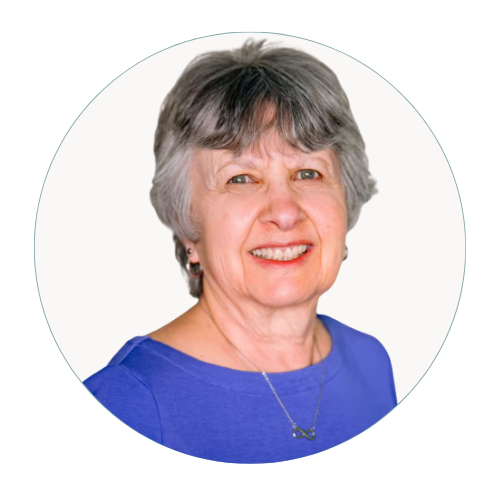
Barbara Biancone
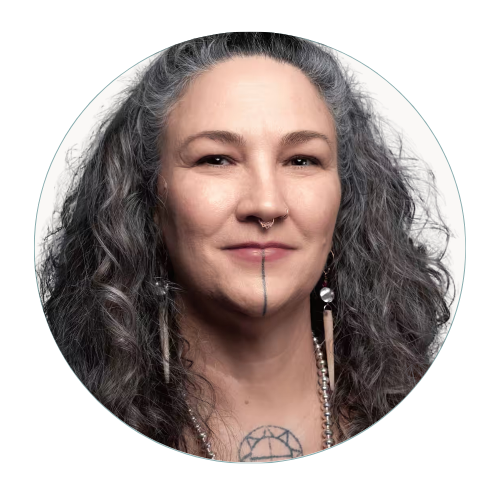
Danica Love Brown

Joanne Cacciatore

Kevin Carter

Jade Davis

Zoe Donaldson

Wendy Lichtenthal

Tanya Lord
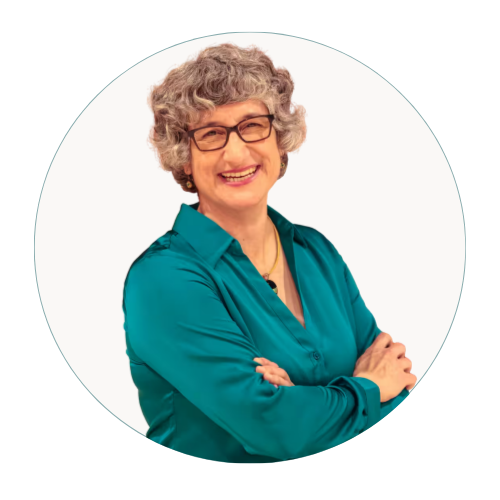
Mary-Frances O’Connor

Leila Salisbury
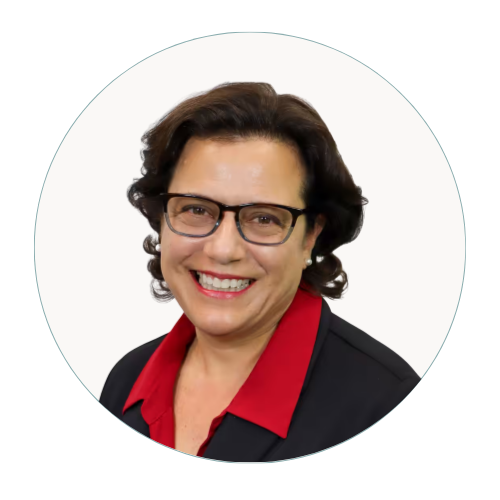
Alison Salloum
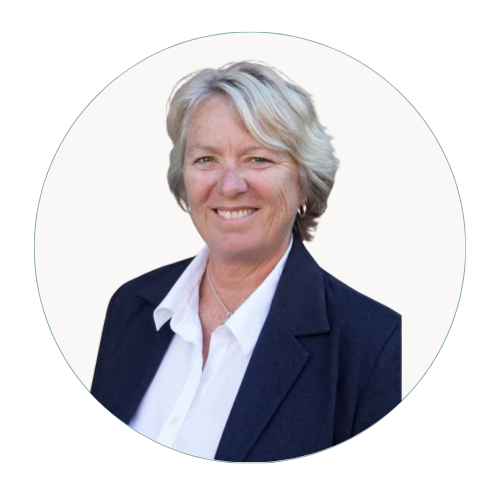
Donna Schuurman
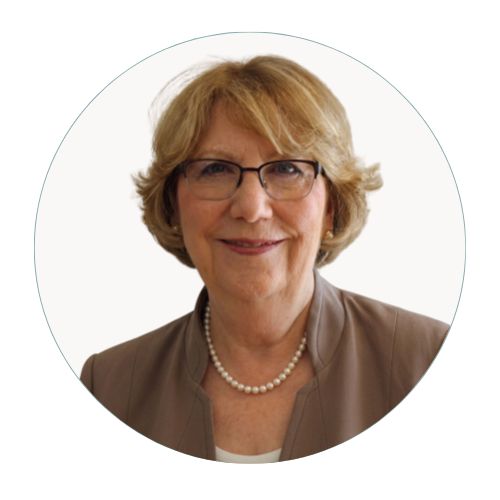
Katherine Shear

Jean Singer

Emily Smith-Greenaway
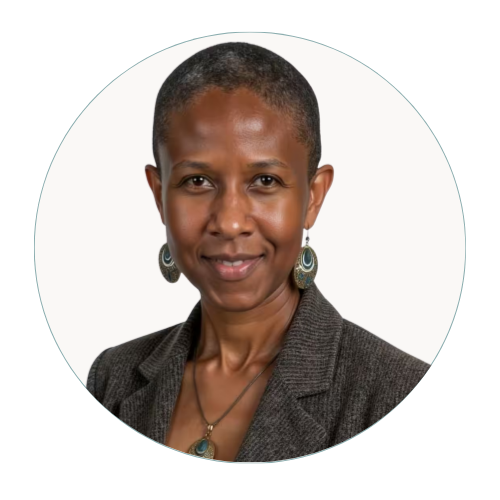
Adrienne Stith

Rex M. Quaempts

Keisha Ward
Meet the Lived Experience Bereavement Network Team

Rene Harrell

Ellen Schultz

Lisa Stewart
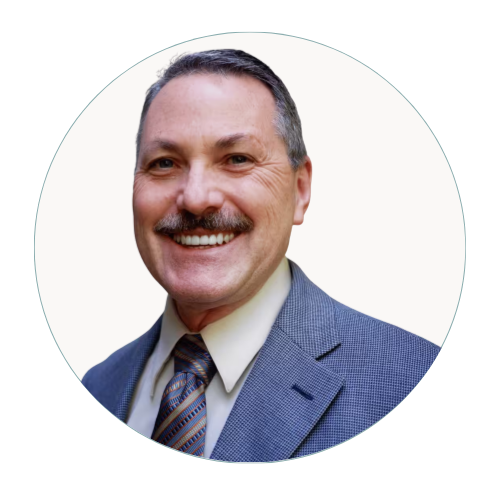
Thomas Weiser